Venice: arrive properly and the rest is easy
Venice has one hard rule — you will carry your own bags over bridges. Trains arrive at Santa Lucia, on the edge of the historic centre; do not get off at Mestre unless your hotel is on the mainland. From Santa Lucia you either walk, take the ACTV vaporetto, or pay for a water taxi. Choose your hotel with the number of bridges in mind and pack lighter than feels comfortable; a wheeled case and four humpback bridges is a memorable introduction for the wrong reasons.
Transport passes are worth the arithmetic. Single vaporetto tickets are expensive relative to a time-based pass, so if you plan more than two or three boat journeys a day — and anything involving Murano, Burano or the Lido will — a multi-day pass usually wins. Passes and the city's day-visitor access fee arrangements are handled through Venezia Unica; because both the fee days and the pass tiers are periodically revised, check the official page against your travel dates rather than trusting a blog.
Two nights is the minimum that lets you see Venice without the day-trip crowd, because the city changes character after about 6pm when the cruise and coach traffic leaves. Use the evenings for St Mark's Square and the Rialto, and the mornings for the quiet sestieri: Cannaregio for bacari and canal-side aperitivo, Dorsoduro for galleries and students, Castello for gardens and ordinary Venetian life. Book the Doge's Palace and, if it matters to you, the basilica, with a timed slot — the security queue is the bottleneck, not the ticket desk.
Milan: better as a hinge than a destination
Milan divides opinion because visitors judge it as a sightseeing city, which it isn't. It is a working metropolis with a spectacular cathedral, serious design culture and the best public transport network in Italy. One full day does it justice: the Duomo with a rooftop terrace ticket, the Galleria, one serious gallery, and an evening along the Navigli canals. If you want to see The Last Supper at Santa Maria delle Grazie, understand that admission is strictly capacity-limited in short timed groups and releases open well in advance — this is the one ticket in northern Italy that can genuinely dictate your dates.
Where Milan earns its place is connectivity. Malpensa and Linate serve long-haul and European routes; Centrale station puts you two hours from Venice, an hour from Como and under three from Florence on high-speed services. If your trip includes Lake Como, flying into Malpensa and out of a southern airport saves a full backtrack day. Be aware that the city is quiet in August, when much of it closes, and expensive during major trade fairs and fashion weeks, when hotel rates in the centre rise sharply.
Lake Como: pick the right shore
Como is a Y-shaped lake, and the choice of base matters more than in any other Italian destination because your day is shaped by boat schedules run by the lake's public navigation service (navigazionelaghi.it). Fast hydrofoils and slower car ferries connect the central towns; the timetable thins considerably outside the main season, which is the single most common autumn planning error.
Base option
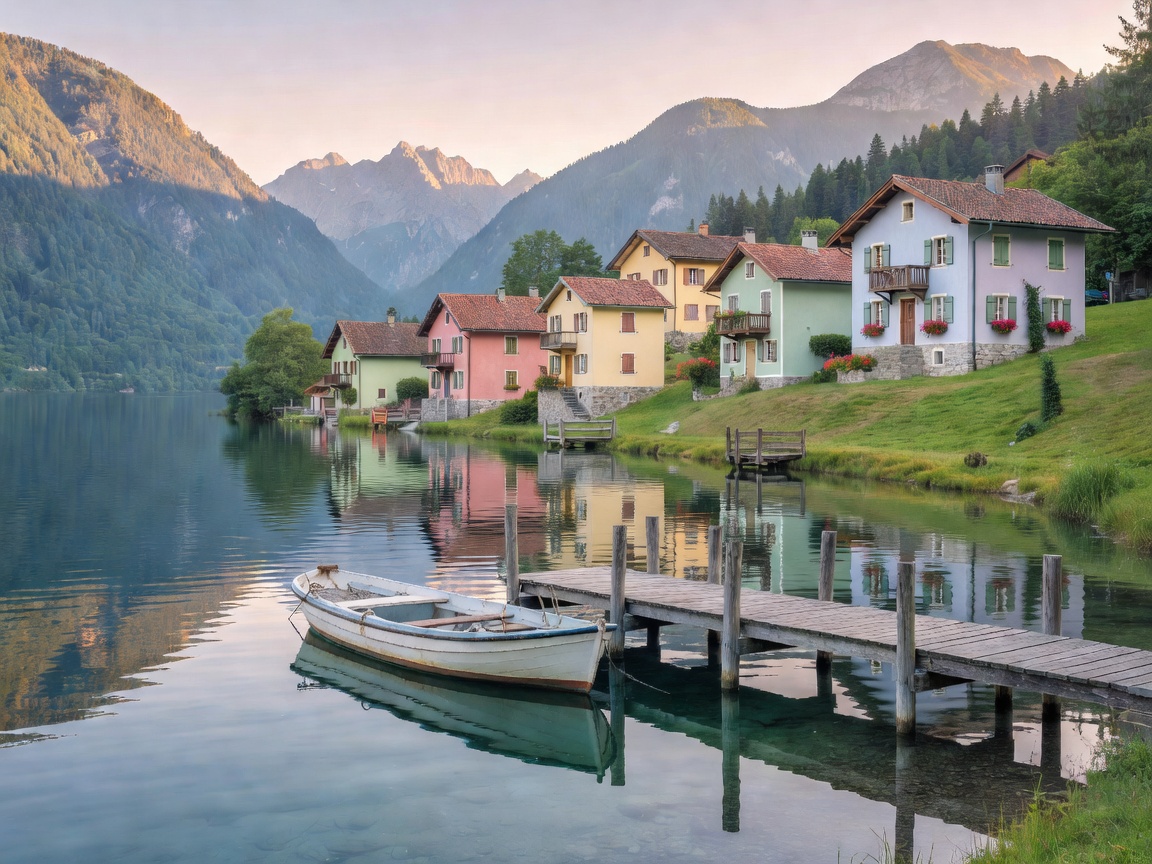
Varenna
Small, vertical, on the railway line from Milan. The easiest arrival on the lake if you are not driving, and the best-value dining of the central towns.
- Direct train from Milano Centrale
- Ferry hub for Bellagio and Menaggio
- Steep steps everywhere; limited nightlife
Base option
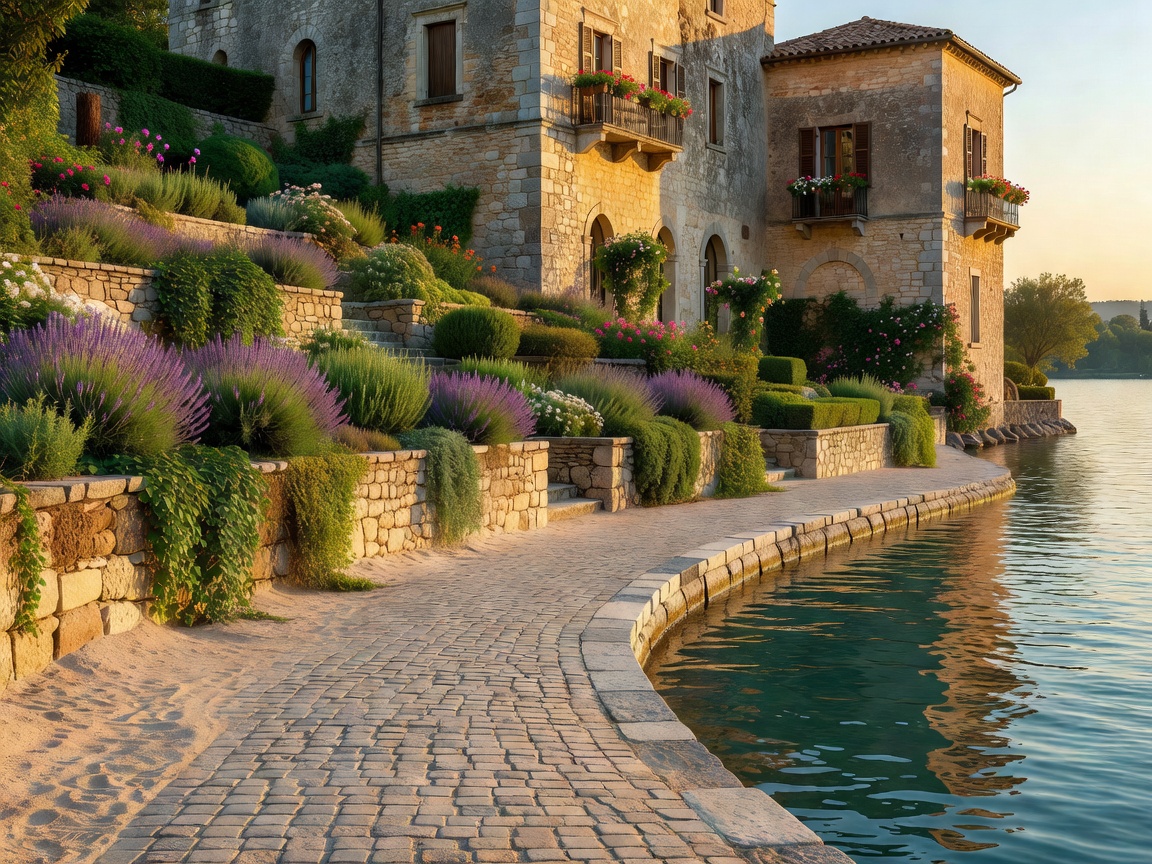
Bellagio
The postcard town on the point where the lake splits, with grand villa gardens and the widest hotel range. Also the busiest between 11am and 5pm.
- Central to every ferry route
- Gardens and villas within walking distance
- Higher prices; no direct train
Base option
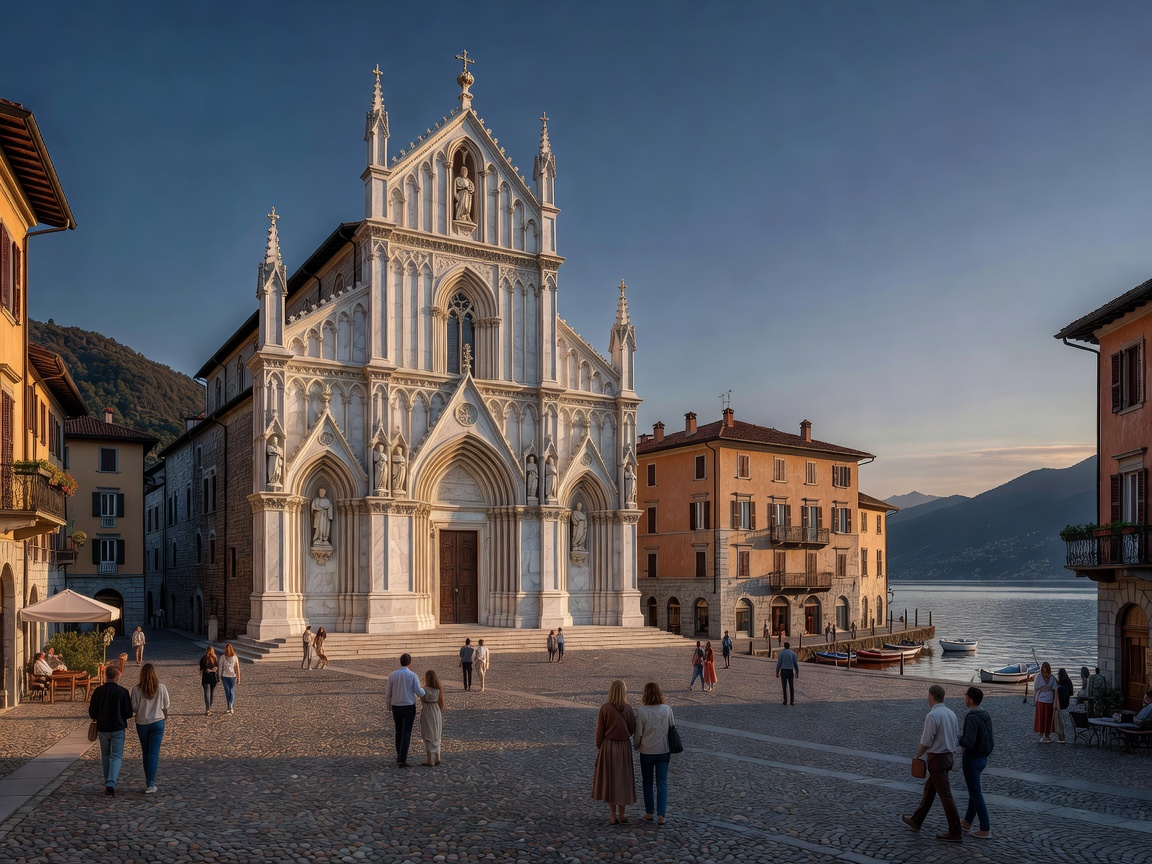
Como town
A proper small city at the lake's southern tip: shops, a cathedral, a funicular and frequent trains. Less scenic, far more practical.
- Best transport links and year-round services
- Long ferry rides to the pretty central towns
Base option
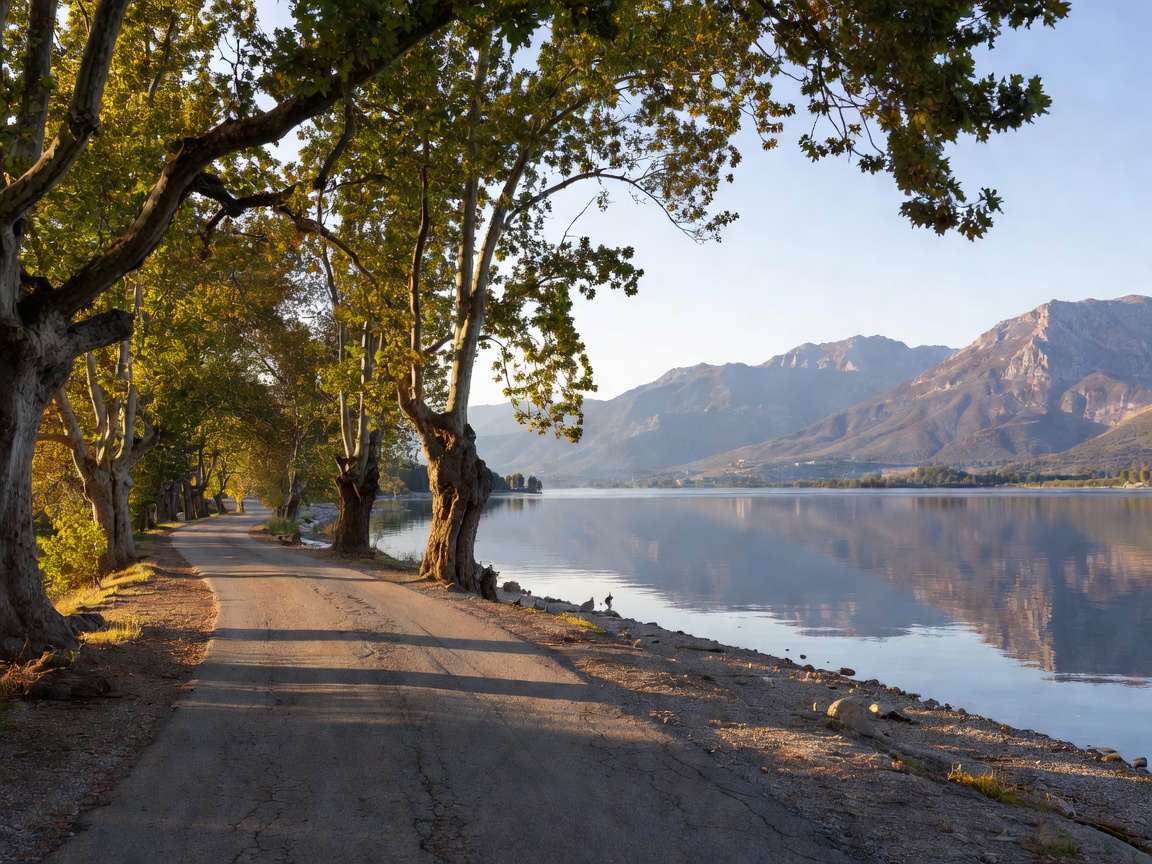
Menaggio & the west shore
Quieter, sunnier in the afternoon, good for walkers and cyclists heading toward the Swiss border. Best if you have a car or love buses.
- Calmer atmosphere, better value rooms
- Slower connections; lake road traffic in summer
Linking the three
The clean sequence is Como → Milan → Venice, all on rail, with luggage moved only twice. Milan to Venice on a high-speed service is roughly two and a half hours; Milan to Varenna is about an hour on a regional train, and regional tickets must be validated or activated according to the operator's current rules. Do not attempt Como as a day trip from Venice — it looks close on the map and burns a whole day each way.
The north in one line
Two nights Venice with a transport pass, one day Milan as a hinge, two nights on Como's central shore with the ferry timetable printed. Next chapter: Amalfi Coast & Naples.