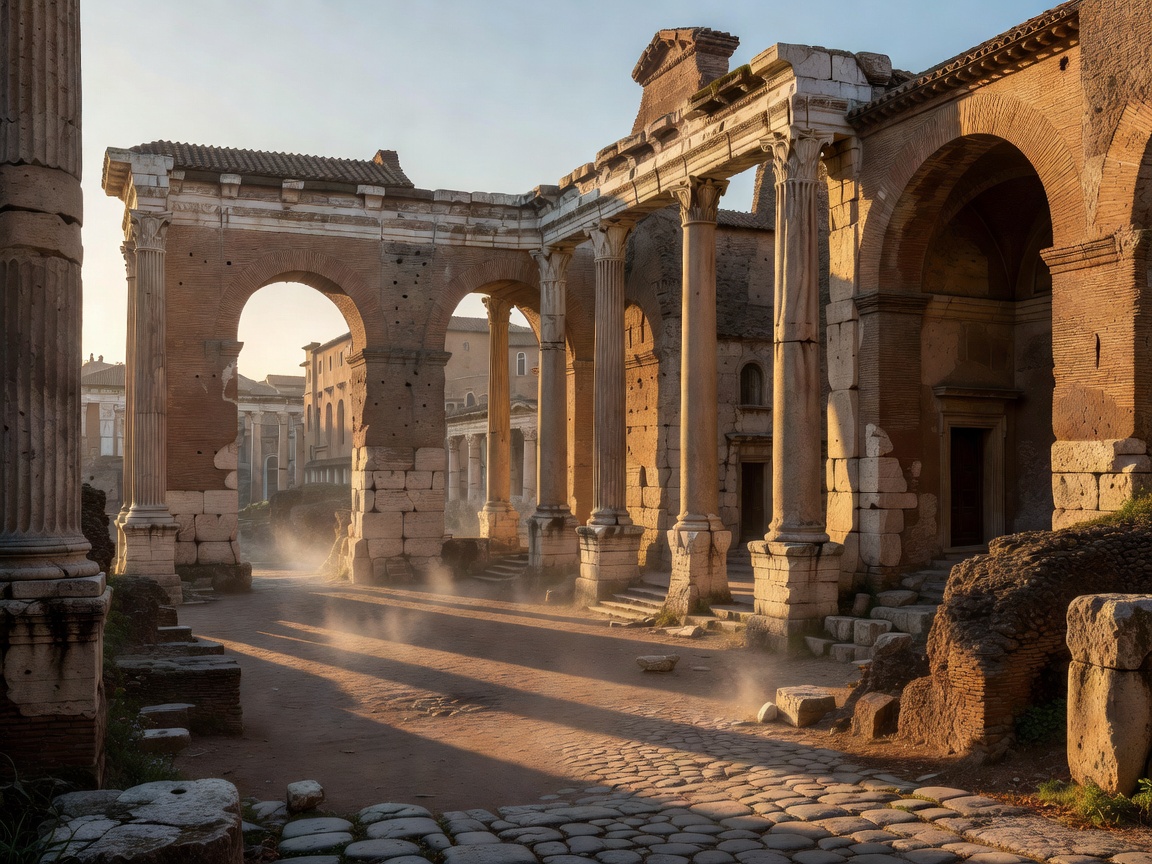
Chapter 01 · Lazio
Rome: three days that don't collapse
The archaeological core, the Vatican, and the four neighbourhoods worth sleeping in — compared on noise, walkability and how far you are from a station when you leave.
Read the Rome planThe Ultimate Italy Trip Planner
Most Italy trips fail on logistics, not on taste. Too many bases, too many transfers, museums booked for the wrong hour, a hire car collected in the one city where a car is a liability. These guides put Rome, Florence, Venice, the Amalfi Coast, Milan, Tuscany, Lake Como and Sicily in an order that a train timetable can actually support.
Choose your chapter
Each guide is written for people who have to make decisions: which base town, which transfer, which ticket needs booking weeks out and which can wait until the morning of. Read them in order for a grand tour, or lift one out for a short trip.
Chapter 01 · Lazio
The archaeological core, the Vatican, and the four neighbourhoods worth sleeping in — compared on noise, walkability and how far you are from a station when you leave.
Read the Rome plan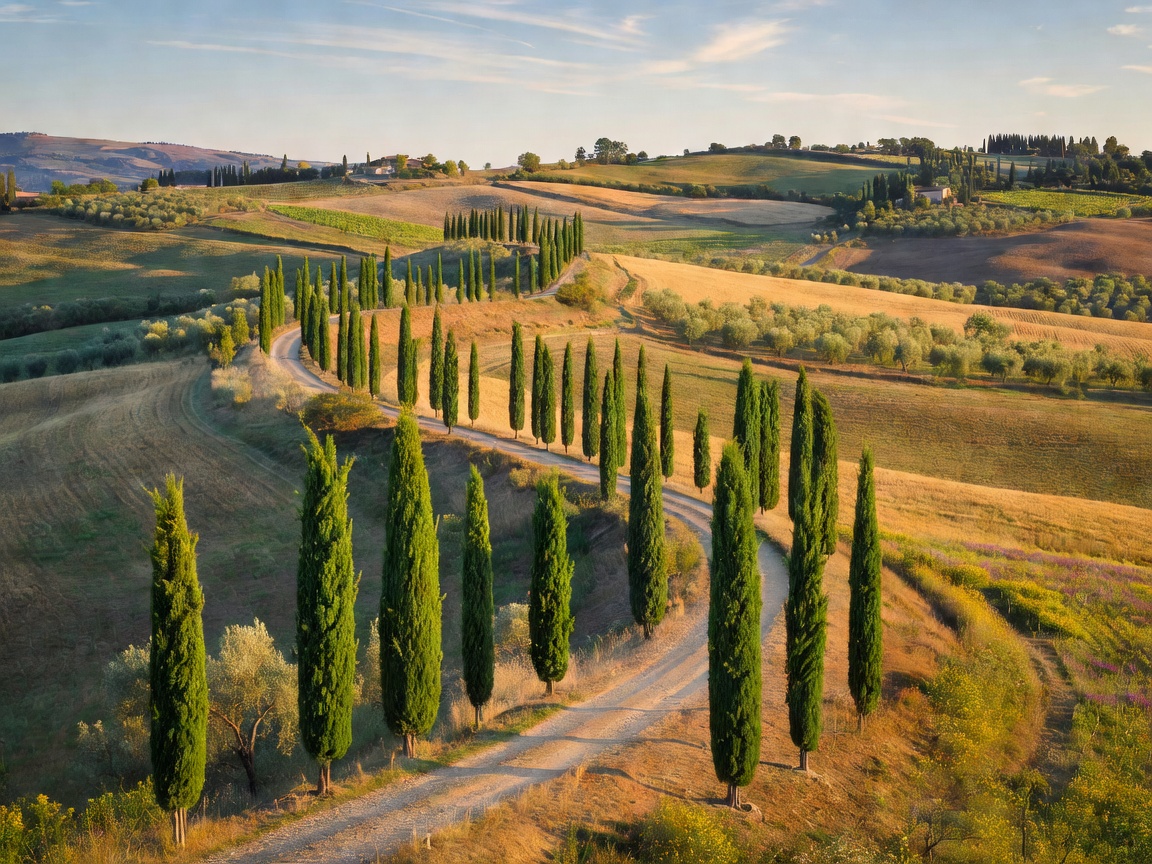
Chapter 02 · Tuscany
How to split a Tuscan week between a walkable Renaissance city and the hill roads — and exactly when a hire car starts earning its keep.
Read the Tuscany plan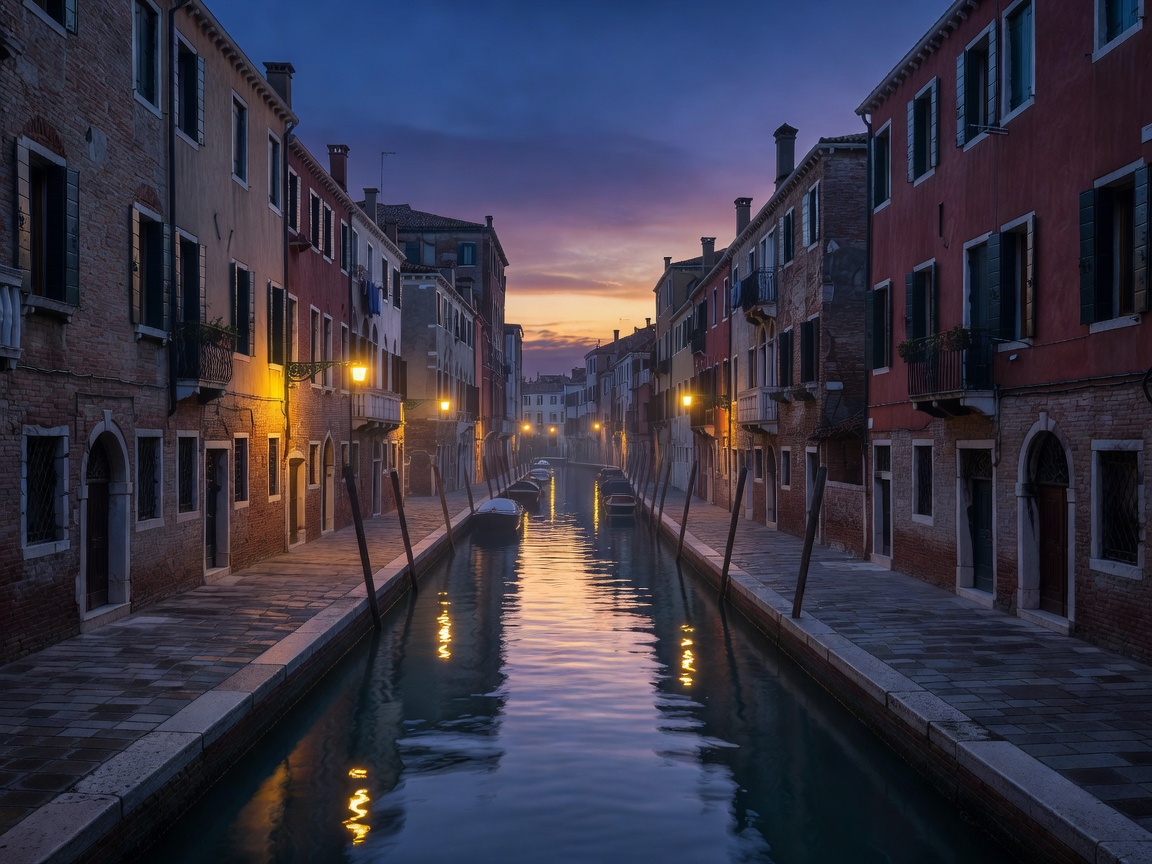
Chapter 03 · The North
The northern triangle: a city with no cars, a city built for business, and a lake best travelled by ferry. Includes luggage strategy for Venice arrivals.
Read the northern plan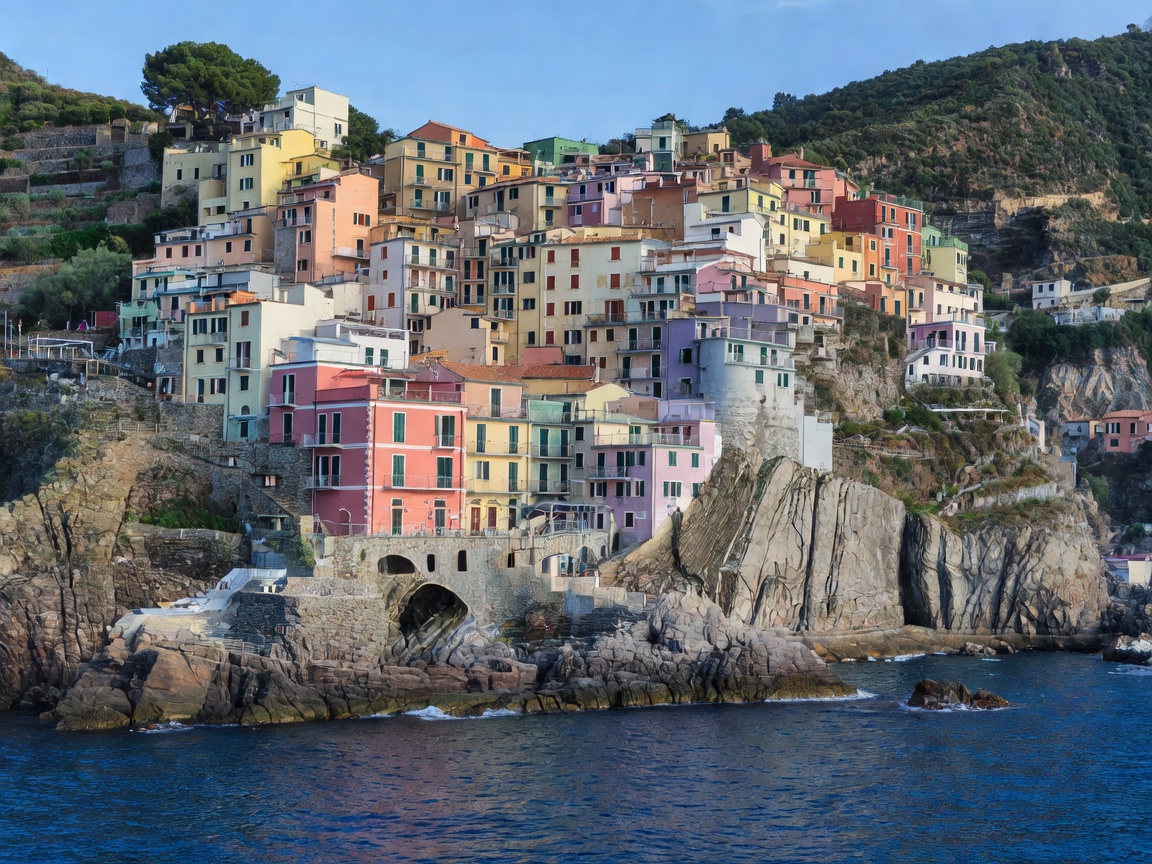
Chapter 04 · Campania
Ferry, bus or driver — the honest comparison. Plus which coastal town suits which traveller, and how to fold Pompeii and Capri in without a wasted day.
Read the Amalfi plan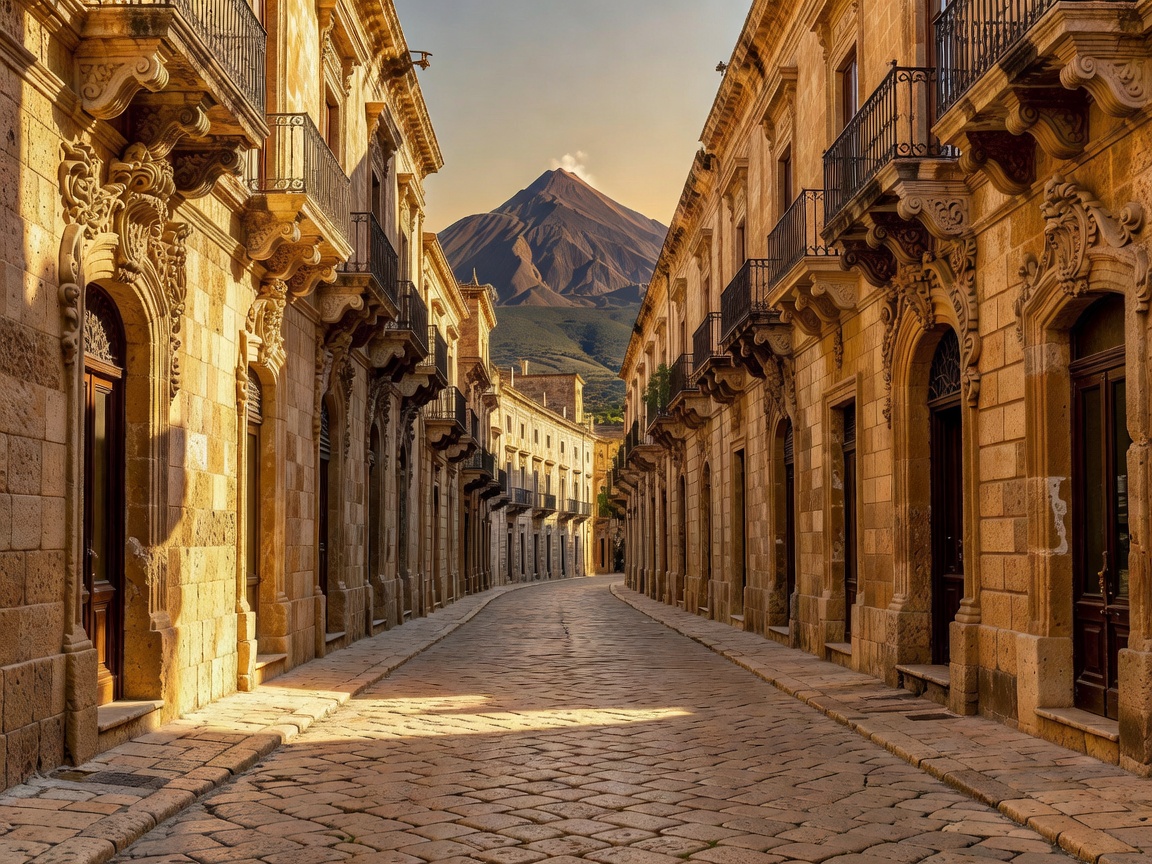
Chapter 05 · Sicily
An island that needs a car and a realistic driving plan. Greek temples, baroque towns, Etna's flanks and the case for flying into one airport and out of another.
Read the Sicily planSupporting section
The single most common planning mistake is moving too often. A base change costs roughly half a day once you count check-out, transfer, luggage drop and re-orientation. Build your trip from as few bases as the map allows, then add day trips out of each one.
| Length | Bases | Route | Best for |
|---|---|---|---|
| 7 days | 2 | Rome (3 nights) → high-speed train → Florence (3 nights) | First trip, art and ruins, no car |
| 10 days | 3 | Venice (2) → Florence (3) → Rome (4) | The classic north-to-south line, all by rail |
| 14 days | 4 | Lake Como (2) → Venice (2) → Florence (3) → Rome (3) → Amalfi Coast (3) | Landscape plus cities; one open-jaw flight |
| 14 days (island swap) | 3 | Rome (4) → Naples/Amalfi (4) → fly to Sicily (5) | Slower pace, food-led travel, a hire car only in Sicily |
Italy's shoulder seasons are the planner's friend. Late spring and early autumn give long daylight hours, open seasonal ferry timetables and manageable queues; midsummer brings heat in the interior and the heaviest crowding in Venice, Florence and the Amalfi towns. Winter is genuinely good for Rome, Naples and Palermo — museums are calm and food is at its best — but coastal boat services thin out and mountain roads in Sicily and the Dolomites can close.
Two calendar traps worth checking before you book: major Italian public holidays, when domestic travel spikes, and the mid-August period when many family-run restaurants close for their own holidays.
Everything else — trattoria tables, day boats, cooking classes — can wait until the week before, or the morning of.
Send us the route, the dates and the group. We'll tell you where it's too tight — plainly, and without selling you a booking.